
CELEBRITY
🚨BREAKING: A newly surfaced Epstein email shows SDNY prosecutors furious with the FBI’s digital handling—after “many promises” to quickly process 60+ seized devices, they write the Bureau is “completely fuc.king us on this.” They say they received 1M+ documents in a chaos dump: emails separated from attachments, load files not linked to natives, control numbers that don’t match—making review (and production) a “total disaster.”

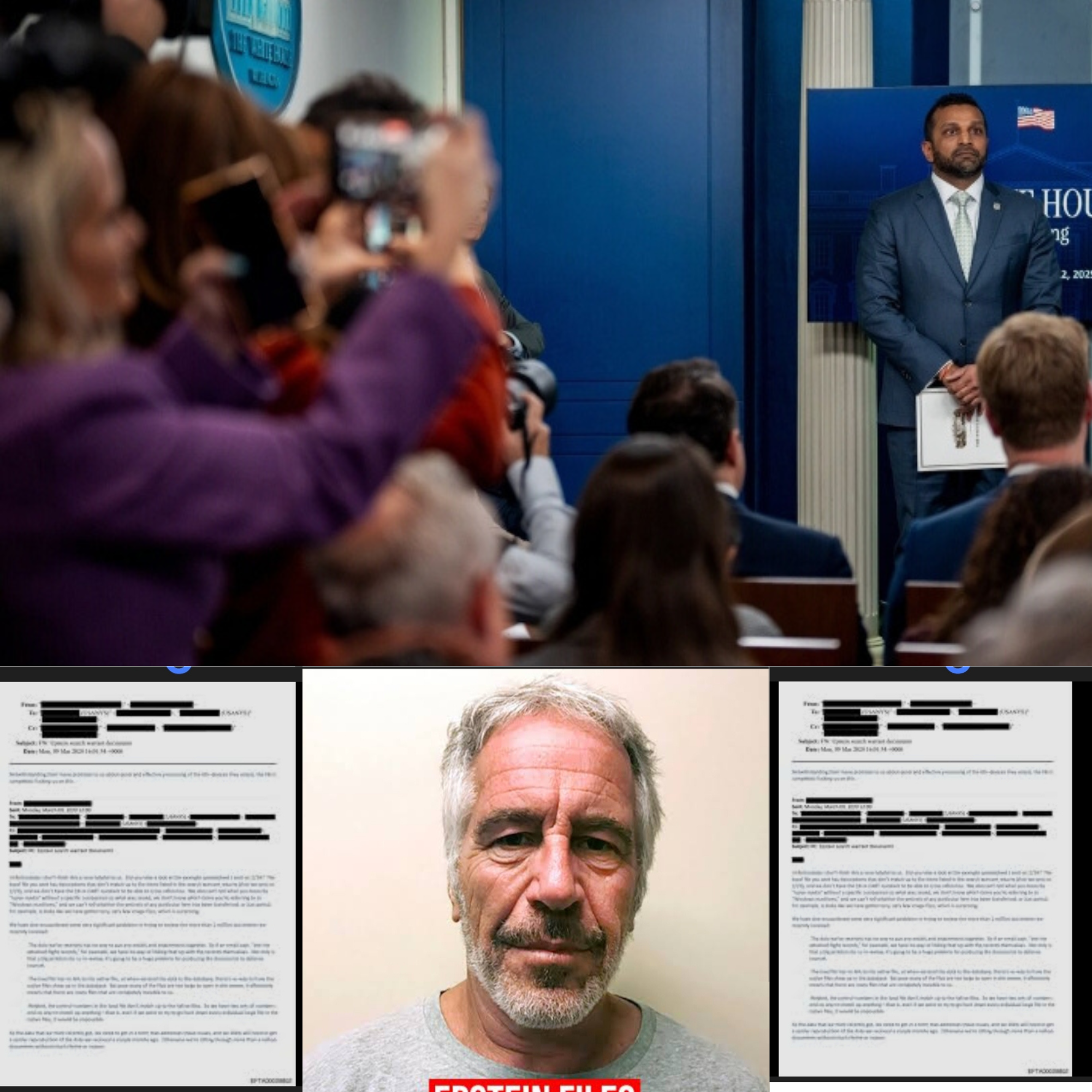
🚨BREAKING: A newly surfaced Epstein email shows SDNY prosecutors furious with the FBI’s digital handling—after “many promises” to quickly process 60+ seized devices, they write the Bureau is “completely fuc.king us on this.” They say they received 1M+ documents in a chaos dump: emails separated from attachments, load files not linked to natives, control numbers that don’t match—making review (and production) a “total disaster.”
A newly surfaced email tied to the Jeffrey Epstein investigation has shed light on sharp internal tensions between federal prosecutors and the FBI over evidence handling, raising questions about how critical digital material was managed in one of the most high-profile cases in recent memory.
In the email, prosecutors from the U.S. Attorney’s Office for the Southern District of New York (SDNY) express intense frustration with the FBI’s processing of more than 60 seized electronic devices. After what they describe as “many promises” that the material would be quickly and properly reviewed, prosecutors accuse the Bureau of severely mishandling the digital evidence.
According to the message, SDNY received more than one million documents in what prosecutors characterized as a “chaos dump.” Emails were allegedly separated from their attachments, load files were not properly linked to native files, and control numbers did not match—basic failures that made it difficult to understand, search, or reliably review the material. Prosecutors warned that the disorganization turned both case preparation and potential evidence production into what they called a “total disaster.”
The email’s blunt language underscores the high stakes and pressure surrounding the Epstein case, where timing, accuracy, and evidentiary integrity were critical. While disagreements between agencies are not uncommon in large federal investigations, the tone of the message suggests an unusually severe breakdown in coordination.
Neither the FBI nor the Department of Justice has publicly commented on the authenticity or implications of the email. If confirmed, the episode could fuel renewed scrutiny of how federal agencies manage digital evidence in complex cases—and whether internal failures may have affected accountability in one of the most scrutinized prosecutions of the last decade.

Iranian Hackers Finally Released 10 Undeniable Alleged Videos of Donald Trump with Minors in the Aftermath of Trump’s U.S. Strike on Iran: It Is Game Over, Trump Has No Excuse

BREAKING: US Cybersecurity Experts Reveal What Iran-Linked Hackers Are REALLY Targeting — Americans Are Panicking…

BREAKING NEWS: Congress ban Trump from further military actions against Iran without congressional authorization but Trump’s Response is what no one expected

JUST IN: Kamala Harris releases statement blasting Donald Trump for his regime change war.

BREAKING: The temporarily acting supreme leader of Iran, Ayatollah Arafeh, was killed after new strikes on Tehran, according to Israeli media. He was appointed this morning to replace Khamenei, who was also killed yesterday in strikes by the US and Israel.

BREAKING: U.S. Congress is gearing up to PASS a resolution that would BAR President Trump from launching ANY further military actions against Iran without explicit congressional AUTHORIZATION.

Kamala Harris accûses Trump of drágging U.S. into ‘unwanted wár’ with Iran…See more

BREAKING: 🇺🇸 U.S. Senators have officially called for President Trump’s removal from office under the 25th amendment.

JUST IN: BARRON TRUMP DELIVERS AN UNEXPECTED MESSAGE INSIDE THE WHITE HOUSE — SPARKING QUESTIONS ABOUT WHAT COMES NEXT.

TRUMP NEVER LOOSENS HIS RED TIE IN PUBLIC — EXCEPT FOR THIS ONE TIME. “I’ve been running from getting old for years,” he said softly, “but it finally caught me.” Donald Trump has long projected relentless confidence — navy suit crisp, red tie straight, emotion delivered through forceful speeches instead of quiet reflection. But time has a way of showing itself, even on the strongest stage. Read full:

Hours after announcing joint U.S.–Israeli strikes on Iran, President Donald Trump revealed that the Epstein files were “tragically and completely obliterated” overnight by what he described as a highly selective Iranian nuclear missile.
