
CELEBRITY
BREAKING: The FBI quietly poured roughly $1M into overtime hours to scrub and redact the Epstein files, working under a project they literally labeled the “Special Redaction Project.”

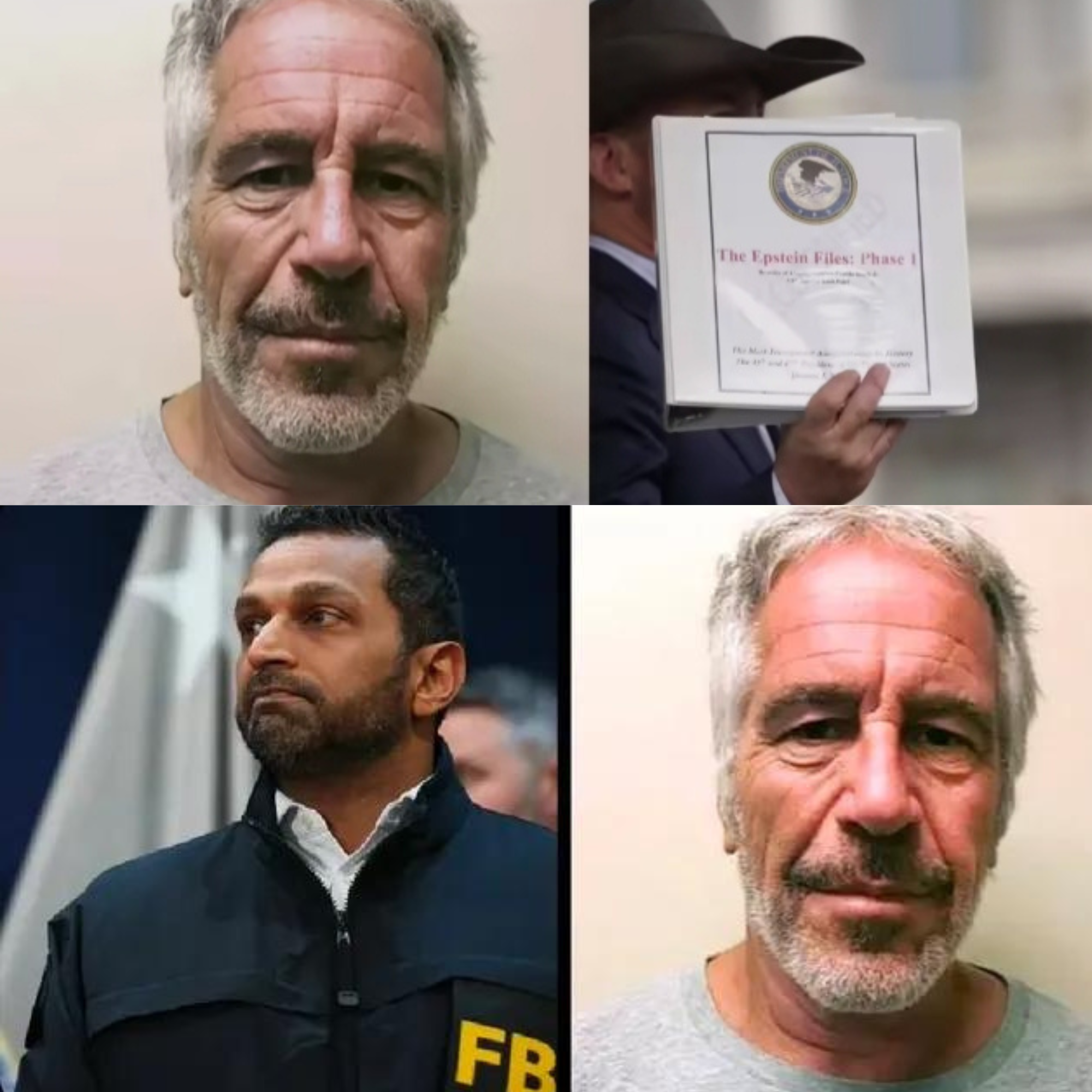
BREAKING: The FBI quietly poured roughly $1M into overtime hours to scrub and redact the Epstein files, working under a project they literally labeled the “Special Redaction Project.”
This is treason.
What Is a ‘Special Redaction Project’—and Who Approved It?”
Internal labeling matters. So why would a document scrub be formally named a “Special Redaction Project”? That wording raises serious oversight questions.
Who Benefits When the Public Can’t See the Files?”
When documents are heavily scrubbed, trust erodes. If transparency builds confidence, secrecy invites suspicion
Newly released internal records show the Federal Bureau of Investigation (FBI) dedicated substantial resources to reviewing, preparing and redacting documents related to the Jeffrey Epstein case — work the agency internally described in some communications as a **“Special Redaction Project.
The disclosure stems from a Freedom of Information Act lawsuit by investigative reporter Jason Leopold, which produced emails and overtime records revealing how the FBI organized the work ahead of a statutorily mandated public release of the files. In March 2025, roughly **934 FBI personnel were mobilized** to go through thousands of pages of material, clocking over **4,700 overtime hours**, with the bureau spending about **$850,000 in overtime pay in just one week**.
Officials have described the effort as part of the broader **“Epstein Transparency Project,”** a term used internally alongside the “Special Redaction Project” label in some emails obtained through the litigation. The project included training materials and workflow guidance for agents tasked with reviewing files ranging from investigative records to multimedia evidence.
The federal government’s move to release these records followed the **Epstein Files Transparency Act**, a law passed by Congress in November 2025 that required the Department of Justice (DOJ) to publish unclassified documents relating to Epstein’s cases by December 19, 2025.
Despite the effort and expenditure, the initial batch of publicly released documents was met with criticism. Thousands of pages were made available, but **hundreds of pages were heavily or entirely redacted**, including material labeled with grand jury designations or identifying victims, which the DOJ says is legally required.
The internal label “Special Redaction Project” has drawn attention on social media and among critics, but experts note that project names inside agencies often serve administrative tracking purposes and do not necessarily imply official policy aims beyond managing complex tasks. There is **no evidence from the released documents that the FBI was engaged in unlawful activity or suppressing information for improper reasons**, though the extent of redaction and pace of work have raised oversight questions among lawmakers from both parties.
In public responses, DOJ officials have defended the redaction work as necessary to protect victim privacy and comply with federal law, while Congress continues to demand fuller disclosure and explanations for withheld material.

JUST IN; United States Secret Service Announces It Has Foiled a Sophisticated Assassination Attempt Targeting Donald Trump, Allegedly Planned as Retaliation for the Death of Iran Supreme Leader Ayatollah Ali Khamenei amid ongoing war

MAJOR UPDATE: THE INTERNATIONAL CRIMINAL COURT HAS JUST ISSUED AN ARREST WARRANT FOR DONALD TRUMP OVER THE PRE-MEDITATED MURDER OF THE SUPREME LEADER OF IRAN

BREAKING NEWS: U.S. Congress just PASSED a resolution that would BAR President Trump from launching ANY further military actions against Iran without explicit congressional AUTHORIZATION.

BREAKING NEWS: U.S. Senators have officially called for President Trump’s removal from office under the 25th amendment.

TRAGEDY STRIKES: 10 Minutes Ago, Shocking News Breaks from the White House — President Donald Trump Has Been Confirmed…

JUST IN; United States Secret Service Announces It Has Foiled a Sophisticated Assassination Attempt Targeting Donald Trump, Allegedly Planned as Retaliation for the Death of Iran Supreme Leader Ayatollah Ali Khamenei amid ongoing war

BREAKING: U.S. Congress is gearing up to PASS a resolution that would BAR President Trump from launching ANY further military actions against Iran without explicit congressional AUTHORIZATION.

JUST IN: THE PHOTOS THEY DIDN’T WANT YOU TO SEE — Kremlin’s Elite Hackers team up with Iran Hackers Flood Dark Web with Images of Donald Trump and Jeffery Epstein and Minors in Retaliation to Ongoing U.S. – Israel Military Strike against Iran

Rising Pressure: Could Melania Trump Face Questions Under Oath Over Jeffrey Epstein Links? 👉 If accountability is the goal, what steps come next? explore the full story.

JUST IN: 🇺🇸🇮🇷 President Trump says “we haven’t even started” in Iran. “The big one is coming soon.” Trumps renewed threat against Iran, The 5 word message is turning head right now….

Iranian Hackers Finally Released 10 Undeniable Alleged Videos of Donald Trump with Minors in the Aftermath of Trump’s U.S. Strike on Iran: It Is Game Over, Trump Has No Excuse
