
CELEBRITY
Trump’s Pardon Pipeline Exposes a Pay-to-Win Presidency Trump has turned presidential pardons into a back-channel favor mill—where wealth, loyalty, and connections matter more than justice. The DOJ process is sidelined while insiders and billionaires skip the line. Corruption, normalized.See who benefited, who didn’t, and why it matters now.Read the investigation—and decide if this is corruption or coincidence.

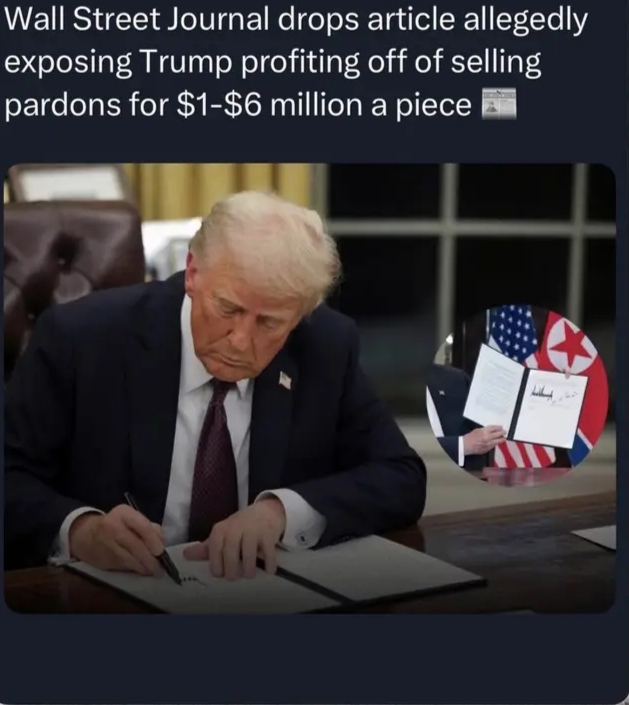
Trump’s Pardon Pipeline Exposes a Pay-to-Win Presidency Trump has turned presidential pardons into a back-channel favor mill—where wealth, loyalty, and connections matter more than justice. The DOJ process is sidelined while insiders and billionaires skip the line. Corruption, normalized.See who benefited, who didn’t, and why it matters now.Read the investigation—and decide if this is corruption or coincidence.
**Trump’s Pardon Pipeline: When Access Outpaced Justice**
During Donald Trump’s presidency, the power of the pardon—traditionally framed as a constitutional tool for mercy—took on a different character. Instead of flowing primarily through the Department of Justice’s established review process, many high-profile pardons appeared to move through an informal pipeline shaped by wealth, loyalty, and personal connections. The result was a system critics describe as “pay-to-win,” where access mattered more than fairness.
Under normal practice, pardon requests pass through the DOJ’s Office of the Pardon Attorney, which evaluates cases based on rehabilitation, proportionality, and public interest. Under Trump, that process was frequently bypassed. According to reporting and public records, numerous beneficiaries had direct or indirect ties to Trump, his family, or his political allies. Some were represented by well-connected lobbyists; others had donated generously to Republican causes or enjoyed proximity to Trump’s inner circle.
Those who benefited included political allies convicted of corruption-related offenses, celebrities with high-powered advocates, and wealthy individuals whose cases never received DOJ vetting. In contrast, thousands of ordinary applicants—many with nonviolent convictions and years of demonstrated rehabilitation—remained stuck in the traditional queue, unheard and unseen.
The pattern raised alarms among ethics experts and former justice officials. While the Constitution grants the president broad and largely unchecked pardon authority, critics argue that using it to reward loyalty or connections undermines public trust in the justice system. Even if no laws were technically broken, the optics suggested a two-tier system: one for insiders and one for everyone else.
Defenders of Trump argue that all presidents use pardons politically and that the power is inherently discretionary. That is true—but scale and transparency matter. Trump issued several last-minute pardons and commutations without explanation, reinforcing concerns that the process had become transactional rather than principled.
Why does this matter now? Because norms, once broken, are hard to restore. If presidential clemency becomes openly influenced by money and access, it risks losing its moral legitimacy altogether. The question left for the public is not just whether these actions were legal, but whether they crossed a deeper line—transforming mercy into a commodity, and justice into a favor.

Iranian Hackers Finally Released 10 Undeniable Alleged Videos of Donald Trump with Minors in the Aftermath of Trump’s U.S. Strike on Iran: It Is Game Over, Trump Has No Excuse

BREAKING: US Cybersecurity Experts Reveal What Iran-Linked Hackers Are REALLY Targeting — Americans Are Panicking…

BREAKING NEWS: Congress ban Trump from further military actions against Iran without congressional authorization but Trump’s Response is what no one expected

JUST IN: Kamala Harris releases statement blasting Donald Trump for his regime change war.

BREAKING: The temporarily acting supreme leader of Iran, Ayatollah Arafeh, was killed after new strikes on Tehran, according to Israeli media. He was appointed this morning to replace Khamenei, who was also killed yesterday in strikes by the US and Israel.

BREAKING: U.S. Congress is gearing up to PASS a resolution that would BAR President Trump from launching ANY further military actions against Iran without explicit congressional AUTHORIZATION.

Kamala Harris accûses Trump of drágging U.S. into ‘unwanted wár’ with Iran…See more

BREAKING: 🇺🇸 U.S. Senators have officially called for President Trump’s removal from office under the 25th amendment.

JUST IN: BARRON TRUMP DELIVERS AN UNEXPECTED MESSAGE INSIDE THE WHITE HOUSE — SPARKING QUESTIONS ABOUT WHAT COMES NEXT.

TRUMP NEVER LOOSENS HIS RED TIE IN PUBLIC — EXCEPT FOR THIS ONE TIME. “I’ve been running from getting old for years,” he said softly, “but it finally caught me.” Donald Trump has long projected relentless confidence — navy suit crisp, red tie straight, emotion delivered through forceful speeches instead of quiet reflection. But time has a way of showing itself, even on the strongest stage. Read full:

Hours after announcing joint U.S.–Israeli strikes on Iran, President Donald Trump revealed that the Epstein files were “tragically and completely obliterated” overnight by what he described as a highly selective Iranian nuclear missile.
