
CELEBRITY
JUST IN: The Supreme Court has DENIED Trump’s request for a stay to allow the deployment of a federalized National Guard force in Illinois. The Court said “regular forces” in 10 U.S.C. §12406(3) likely means the U.S. military, and the administration hasn’t shown legal authority to use the military to “execute the laws” in Chicago. Alito, Thomas, and Gorsuch dissented.

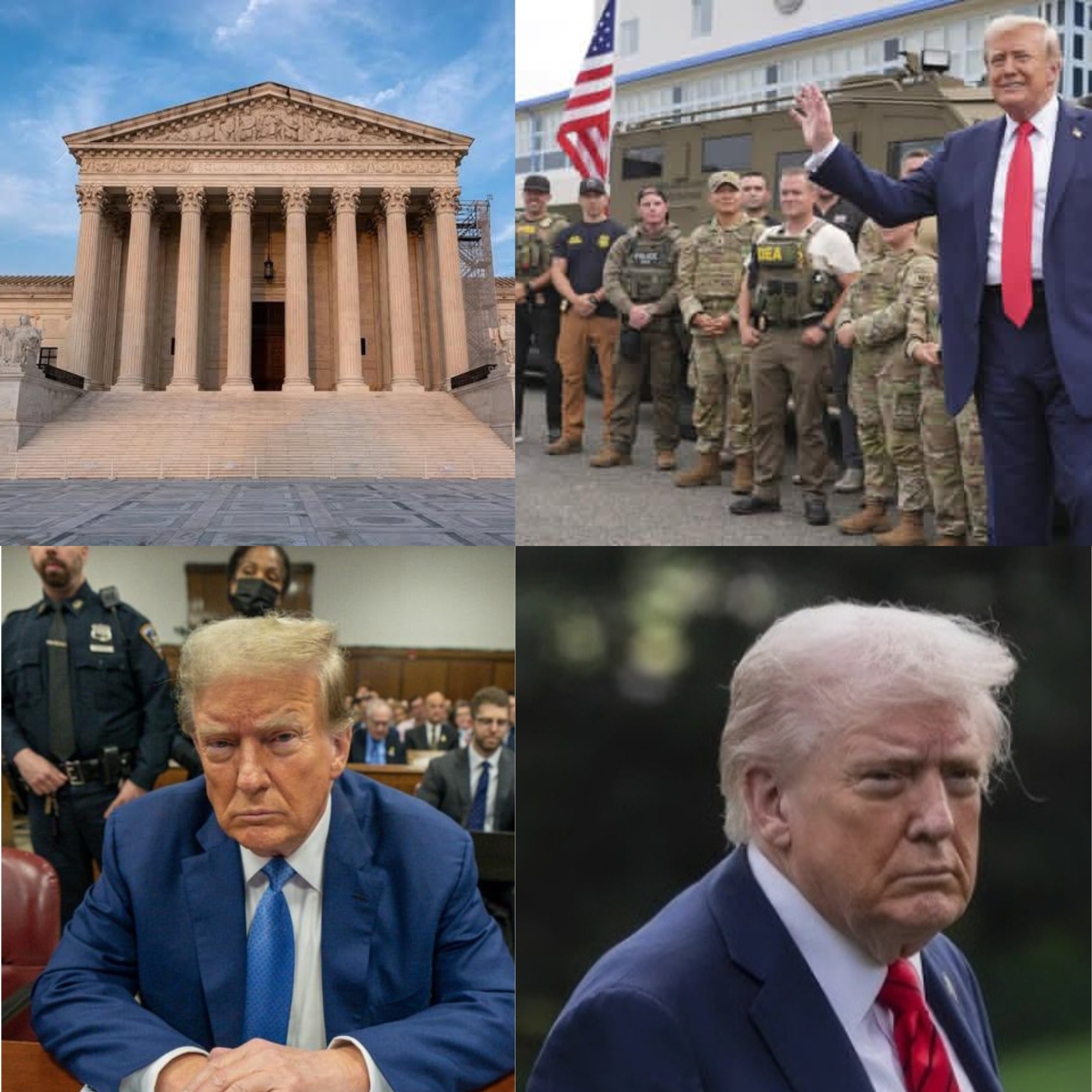
JUST IN: The Supreme Court has DENIED Trump’s request for a stay to allow the deployment of a federalized National Guard force in Illinois. The Court said “regular forces” in 10 U.S.C. §12406(3) likely means the U.S. military, and the administration hasn’t shown legal authority to use the military to “execute the laws” in Chicago. Alito, Thomas, and Gorsuch dissented.
Supreme Court Says NO: Trump Lacked Authority to Deploy Federal Forces
👉 Find out how the Court shut this down and what comes next.
Supreme Court has ruled that Donald Trump did not have the authority to deploy the federalized guard in Illinois.
This is an important step in curbing the Trump Administration’s consistent abuse of power and slowing Trump’s march toward authoritarianism.
**Supreme Court Says Trump Lacked Authority to Deploy Federal Forces**
The U.S. Supreme Court has denied former President Donald Trump’s request for a stay that would have allowed the deployment of a federalized National Guard force in Illinois, marking a significant setback for the administration’s effort to use federal power to address unrest in Chicago.
In its order, the Court indicated that the term “regular forces” in 10 U.S.C. §12406(3) most likely refers to the U.S. military, not the National Guard operating under federal control. The justices said the administration failed to show clear legal authority to use military forces to “execute the laws” in Chicago under the circumstances presented.
The decision underscores the Court’s reluctance to expand presidential power to deploy federal forces domestically without explicit authorization from Congress. While the ruling did not foreclose all future uses of federalized forces, it made clear that any such action must rest on firm statutory footing.
Justices Samuel Alito, Clarence Thomas, and Neil Gorsuch dissented, signaling concern that the Court was constraining executive authority in an area traditionally tied to national security and public order.
What comes next remains uncertain. The administration could seek alternative legal avenues or rely more heavily on cooperation with state and local officials. More broadly, the ruling reinforces long-standing limits on the use of federal military power in domestic law enforcement—and sets a precedent likely to shape future disputes over presidential authority.

SAD NEWS: Just 30 Minutes Ago, U.S. 43rd President George W. Bush Passed Away at the Age of 79 Because…

TRAGEDY STRIKES: 15 Minutes Ago, Shocking News Breaks Out from the White House — President Donald Trump Has Been Confirmed…

JUST IN; United States Secret Service Announces It Has Foiled a Sophisticated Assassination Attempt Targeting Donald Trump, Allegedly Planned as Retaliation for the Death of Iran Supreme Leader Ayatollah Ali Khamenei amid ongoing war

MAJOR UPDATE: THE INTERNATIONAL CRIMINAL COURT HAS JUST ISSUED AN ARREST WARRANT FOR DONALD TRUMP OVER THE PRE-MEDITATED MURDER OF THE SUPREME LEADER OF IRAN

BREAKING NEWS: U.S. Congress just PASSED a resolution that would BAR President Trump from launching ANY further military actions against Iran without explicit congressional AUTHORIZATION.

BREAKING NEWS: U.S. Senators have officially called for President Trump’s removal from office under the 25th amendment.

TRAGEDY STRIKES: 10 Minutes Ago, Shocking News Breaks from the White House — President Donald Trump Has Been Confirmed…

JUST IN; United States Secret Service Announces It Has Foiled a Sophisticated Assassination Attempt Targeting Donald Trump, Allegedly Planned as Retaliation for the Death of Iran Supreme Leader Ayatollah Ali Khamenei amid ongoing war

BREAKING: U.S. Congress is gearing up to PASS a resolution that would BAR President Trump from launching ANY further military actions against Iran without explicit congressional AUTHORIZATION.

JUST IN: THE PHOTOS THEY DIDN’T WANT YOU TO SEE — Kremlin’s Elite Hackers team up with Iran Hackers Flood Dark Web with Images of Donald Trump and Jeffery Epstein and Minors in Retaliation to Ongoing U.S. – Israel Military Strike against Iran

Rising Pressure: Could Melania Trump Face Questions Under Oath Over Jeffrey Epstein Links? 👉 If accountability is the goal, what steps come next? explore the full story.
