
CELEBRITY
Virginia’s Law eliminates the statute of limitations that has shielded criminals like Epstein and denied survivors the ability to hold them accountable. Justice for survivors and victims of abuse should not have an expiration date. Virginia’s Law will change that.

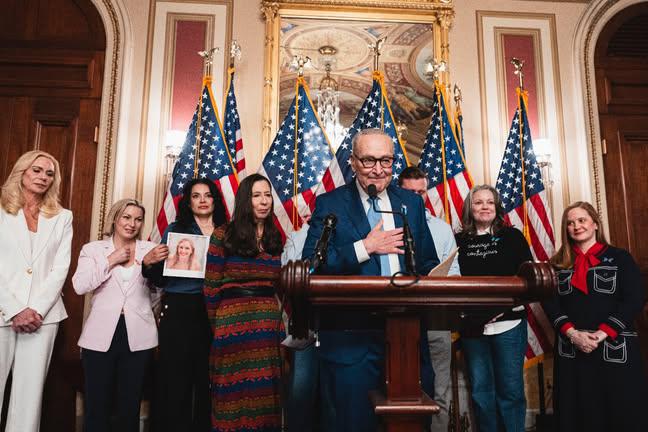
Virginia’s Law eliminates the statute of limitations that has shielded criminals like Epstein and denied survivors the ability to hold them accountable.
Justice for survivors and victims of abuse should not have an expiration date.
Virginia’s Law will change that.
**Virginia’s Law: Ending the Time Limit on Justice**
For decades, statutes of limitations have prevented many survivors of sexual abuse from seeking justice. These legal time limits, originally intended to ensure timely prosecution and preserve evidence, have often had the unintended consequence of shielding perpetrators—particularly powerful and well-connected individuals—from accountability. High-profile cases, including those involving financier Jeffrey Epstein, exposed how delayed reporting—common among trauma survivors—can intersect with rigid legal deadlines to deny victims their day in court.
Virginia’s Law seeks to change that.
The proposed legislation would eliminate the statute of limitations for certain sexual abuse offenses, ensuring that survivors can pursue justice regardless of how much time has passed. Supporters argue that trauma does not operate on a legal clock. Many survivors require years, even decades, to process what happened to them, come forward, or feel safe enough to confront their abusers. By the time they are ready, the legal window to act has often closed.
Advocates say the reform is about fairness and accountability. “Justice for survivors and victims of abuse should not have an expiration date,” supporters of Virginia’s Law contend. Removing time limits acknowledges the complex psychological and emotional realities of abuse, particularly in cases involving minors or individuals manipulated through coercion and power imbalances.
Critics of eliminating statutes of limitations sometimes raise concerns about due process, faded memories, and the challenges of defending older cases. However, backers of the bill argue that courts are well-equipped to evaluate evidence, regardless of when allegations surface. They maintain that protecting constitutional rights and ensuring accountability are not mutually exclusive goals.
Across the country, a growing number of states have reexamined and, in some cases, abolished statutes of limitations for sexual abuse crimes. Virginia’s Law is part of that broader movement—one aimed at correcting systemic barriers that have historically silenced survivors.
If enacted, the measure would represent a significant shift in how the justice system approaches abuse cases. More importantly, it would send a clear message: time should not protect those who commit abuse, and survivors deserve the opportunity to be heard whenever they are ready to come forward.
For many advocates, Virginia’s Law is not just about legal reform. It is about restoring trust in a system that too often failed victims—and affirming that accountability should never expire.

BREAKING: 🚨$300 Billion Warning: Trump’s Advisers Fear Iran War Could Shake the U.S. Economy✨…

Newly Released FBI Files Reveal Uncorroborated Allegation Against President Trump in Epstein Case

The US Department of Justice released 3.5 million pages of Epstein-related records, but critics claim key pages mentioning the President were removed, sparking controversy and calls for investigation. 🤔💥🔥

🚨1 MIN AGO: 19 Republican Governors Refuse Trump’s Order — The Revolt Washington Never Saw Coming✨ ……..

BREAKING: Obama Delivers Veiled But Unmistakable Rebuke of Trump at Jesse Jackson Memorial

BREAKING: CNN’s Dana Bash reports on a conversation she just had with Trump: “He quickly turned to Cuba. He said without being asked, ‘Cuba is going to fall pretty soon.'” Trump is a dictator bombing and going after sovereign Nations using our Military and soldiers as his pawns. Trump MUST be stopped.

DIPLOMATIC SHOCK: Could Canada legally refuse entry to a U.S. President?

🚨 DOJ Releases Previously Missing FBI Interviews From Epstein Case

The Justice Department released more Epstein files Thursday that include allegations made by a woman accusing President Donald Trump of sexually abusing her when she was a minor, one week after Democrats on the House Oversight Committee began investigating why these documents were withheld.

🚨 Legal Shockwave: Donald Trump Faces Reported $540M Asset Seizure Federal authorities have reportedly moved to enforce a $540 million judgment tied to Trump, with actions said to involve high-profile properties including Mar-a-Lago and Trump Tower.

🚨 Pennsylvania Stunner: Voters Retain Three State Supreme Court Justices in Setback for Donald Trump Allies Pennsylvania voters have chosen to keep three Democratic justices on the Supreme Court of Pennsylvania, delivering a political blow to candidates backed by Trump-aligned groups.
